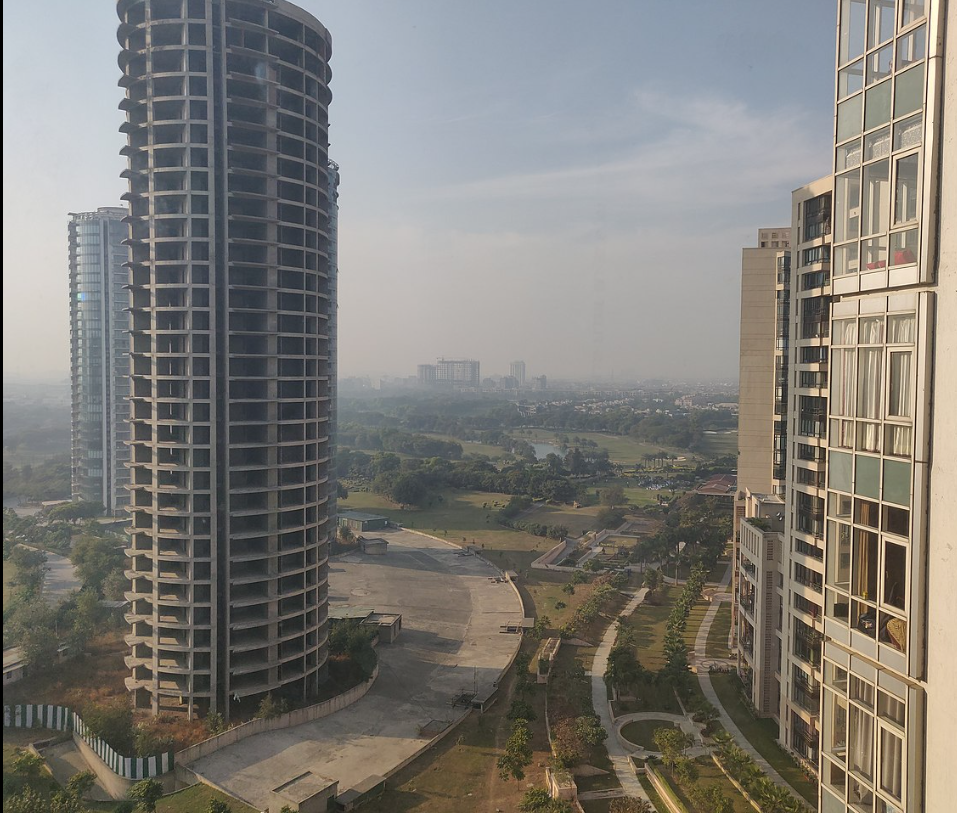

FAR stands for Floor Area Ratio, also known as Floor Space Index (FSI) or Floor Space Ratio (FSR). It’s a crucial urban planning and zoning regulation that governs the maximum allowable floor area of a building in relation to the size of the plot of land on which it is constructed. FAR regulations vary widely depending on local zoning laws, building codes, and municipal regulations, but they generally serve several key purposes:
- Density Control: FAR regulations are often used to control the population density and intensity of land use in urban areas. By limiting the amount of floor area that can be developed on a given plot of land, planners can prevent overcrowding and ensure that infrastructure and public services can adequately support the needs of the community.
- Preservation of Open Space: FAR regulations may also be used to preserve open space, green areas, and public amenities within urban areas. By restricting the amount of built-up area on a plot of land, planners can ensure that there is sufficient space for parks, recreational facilities, and other green spaces that contribute to the quality of life for residents.
- Promotion of Sustainable Development: FAR regulations can be used to promote sustainable development practices by encouraging compact, mixed-use development patterns that reduce sprawl, minimize vehicle trips, and promote walkability and transit-oriented development. By concentrating development in designated areas with higher FAR allowances, planners can support more efficient land use and reduce the environmental impacts of urban growth.
- Aesthetic Considerations: FAR regulations may also be used to control the scale and character of development in urban areas, ensuring that new construction projects are compatible with the surrounding built environment and contribute positively to the overall streetscape and urban fabric. By limiting building heights and massing relative to the size of the plot, planners can prevent visual obtrusions and preserve the character and charm of historic neighborhoods.
- Infrastructure Planning: FAR regulations play a crucial role in infrastructure planning and investment by ensuring that new development projects generate sufficient revenue to support the costs of providing public services and infrastructure improvements, such as roads, utilities, and public transportation. By tying FAR allowances to development impact fees or other financing mechanisms, planners can ensure that growth pays for itself and that the burdens of development are equitably distributed among developers and the broader community.
Overall, FAR regulations are a fundamental tool of urban planning and land use regulation, helping to shape the physical form and function of cities and communities. By balancing the competing interests of density, open space, sustainability, aesthetics, and infrastructure, planners can use FAR regulations to create vibrant, livable, and resilient urban environments that meet the needs of present and future generations.