
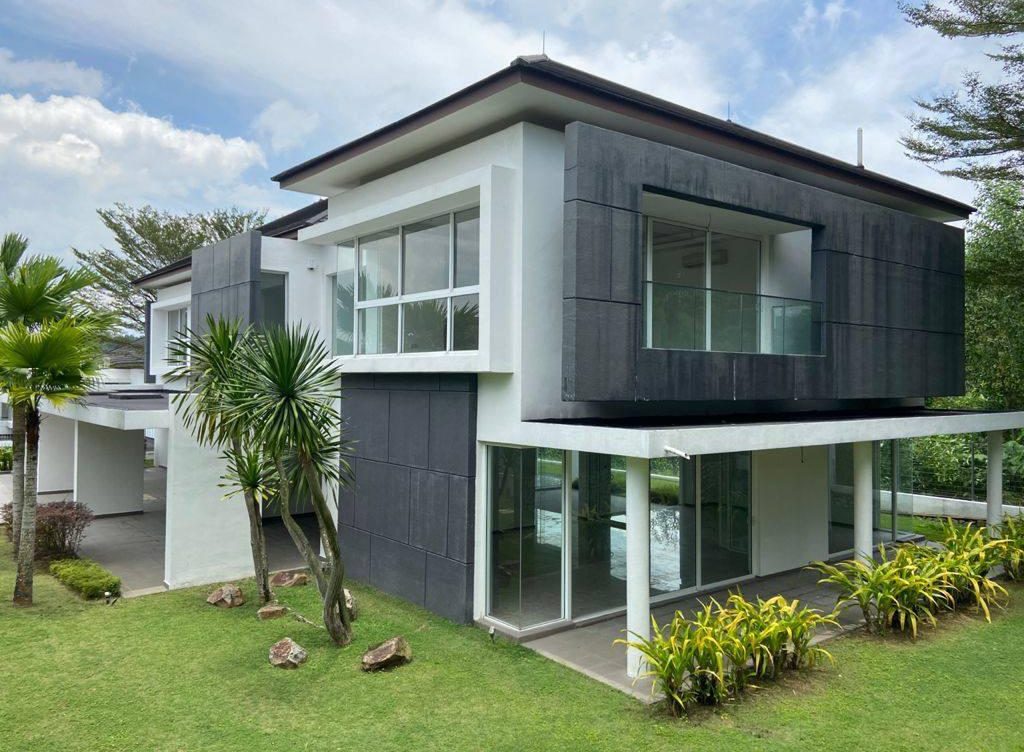
Building on a Budget: Practical Tips for Affordable Home Construction”
Are you dreaming of building your own home but worried about the costs spiraling out of control? With careful planning and strategic decision-making, you can achieve your dream of homeownership without breaking the bank. In this guide, we’ll explore a range of budget-friendly construction tips to help you build a quality home within your financial means.
Start with a Realistic Budget: Before diving into the home construction process, it’s crucial to establish a realistic budget based on your financial situation and goals. Take the time to carefully evaluate your finances, including savings, income, and potential loan options. Consider consulting with a financial advisor or mortgage broker to determine a budget that aligns with your needs and limitations.
Choose an Affordable Location: The cost of land can vary significantly depending on location, so it’s essential to research and identify affordable areas for your home construction project. Look for neighborhoods or regions where land prices are more reasonable, keeping in mind factors such as proximity to amenities, school districts, and transportation options.
Opt for Simple, Efficient Floor Plans: When designing your home, prioritize simplicity and efficiency to minimize construction costs. Choose a straightforward floor plan with a compact footprint that maximizes usable space while minimizing material and labor expenses. Avoid unnecessary complexities and architectural embellishments that can drive up construction costs without adding significant value.
Select Cost-Effective Building Materials: Explore cost-effective building materials that offer durability, performance, and affordability. Consider alternatives to high-end finishes and luxury materials, opting instead for budget-friendly options that deliver a similar aesthetic appeal without the hefty price tag. Research locally available materials and recycled or reclaimed options that can help reduce material costs while minimizing environmental impact.
DIY Where Possible: Embrace the do-it-yourself (DIY) ethos and take on tasks that you’re comfortable handling yourself. From demolition and site preparation to painting and landscaping, tackling certain aspects of the construction process can help save money on labor costs. However, be realistic about your skills and abilities, and don’t hesitate to enlist professional help for complex or specialized tasks.
Negotiate with Contractors and Suppliers: Don’t be afraid to negotiate with contractors and suppliers to secure the best possible prices for labor and materials. Obtain multiple quotes for each aspect of the construction project and compare prices to identify opportunities for cost savings. Be upfront about your budget constraints and explore options for value engineering to achieve your desired outcomes within your financial parameters.
Plan for Future Expansion: Consider incorporating flexibility into your home design to accommodate future expansion or upgrades as your needs and budget evolve over time. Opt for modular or adaptable design elements that allow for easy modification or expansion without the need for extensive renovations or costly structural changes.
Explore Energy-Efficient Solutions: Investing in energy-efficient design features and systems can help reduce long-term operating costs while enhancing comfort and sustainability. Consider incorporating passive solar design principles, high-performance insulation, and energy-efficient appliances and fixtures to lower utility bills and minimize environmental impact.
Prioritize Essential Spaces: When budgeting for home construction, prioritize essential spaces that are crucial for your daily living needs. Focus your resources on functional areas such as kitchens, bathrooms, and bedrooms, ensuring that they meet your requirements in terms of layout, amenities, and quality of finishes. Allocate your budget wisely to areas that will have the greatest impact on your daily comfort and enjoyment of the home.
Stay Flexible and Resourceful: Finally, stay flexible and resourceful throughout the home construction process, remaining open to alternative solutions and creative ideas that can help stretch your budget further. Be prepared to make trade-offs and adjustments as needed to stay within your financial means while still achieving your desired outcomes. By following these practical tips and embracing a strategic approach to home construction, you can build a quality home that meets your needs and aspirations without exceeding your budget. With careful planning, savvy decision-making, and a willingness to explore cost-effective options, affordable homeownership is within reach.